REVIEW · OLD TOWN & CASTLE HILL TOURS
Nice: Sightseeing Walking Tour with certified tour guide
Book on GetYourGuide →Operated by Esplouratour · Bookable on GetYourGuide
Two hours in Nice can feel like a week. This walking tour strings together the city’s big landmarks with real local context, then pays you back with Castle Hill viewpoints.
I especially like the focus on Old Nice monuments and streets—you don’t just pass them, you understand why they look the way they do. And I like the way the end of the tour builds toward a scenic payoff over the bay.
One thing to plan for: you’ll climb about 300 steps to reach Castle Hill, so wear shoes you trust and pace yourself.
In This Review
- Key highlights that make this tour worth it
- Nice on foot: starting at Fontaine du Soleil and getting oriented fast
- Place Masséna to Neuf Lignes Obliques: a quick taste of what Nice is about
- Nice Opera House and Cours Saleya: architecture plus real-life Nice energy
- Sainte-Réparate Cathedral and Saint-Jacques-le-Majeur: why the churches feel different here
- Quai des États-Unis and Bellanda Tower: sea-front angles and classic photo stops
- Colline du Château and Fouilles Archéologiques: the walking gets serious
- The 300 steps reality check
- The Castle Hill finish: panoramas over the bay of angels
- Price and value: why $31 feels fair for a 2-hour orientation
- Who should book this tour (and who might not)
- Should you book this Nice walking tour with a guide?
- FAQ
- How long is the tour?
- Where do we meet the guide?
- What languages are the tours offered in?
- Does the tour run in rain?
- Is there a lot of walking or stairs?
- What’s included in the price?
- What should I bring since it’s not included?
Key highlights that make this tour worth it
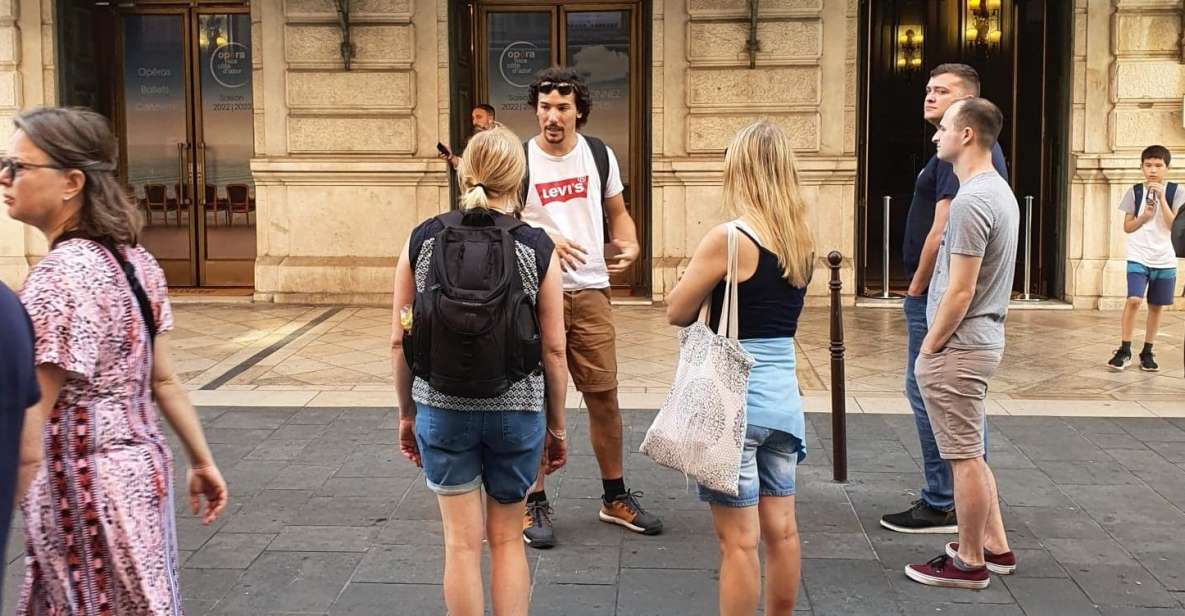
- Certified guide with French and English so you get more than photos and street names
- Old Nice route through narrow lanes, baroque churches, and grand palaces
- Promenade des Anglais context plus classic sea-front photo angles
- Castle Hill climb and viewpoints over the bay, city, hills, and the Prealps
- Photo stops at major angles, including Bellanda Tower and several viewpoints
Nice on foot: starting at Fontaine du Soleil and getting oriented fast
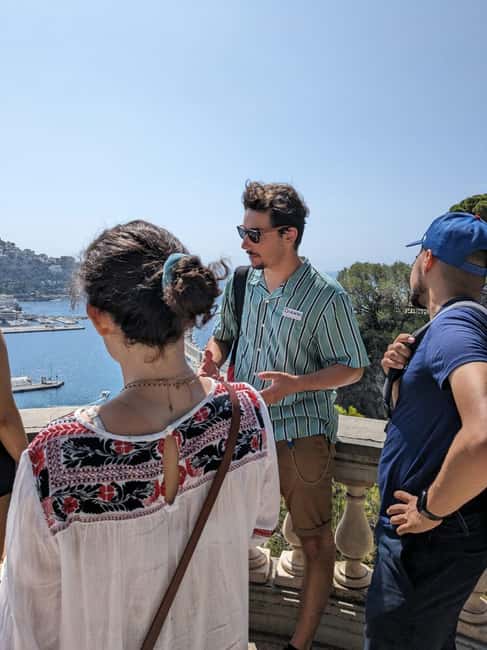
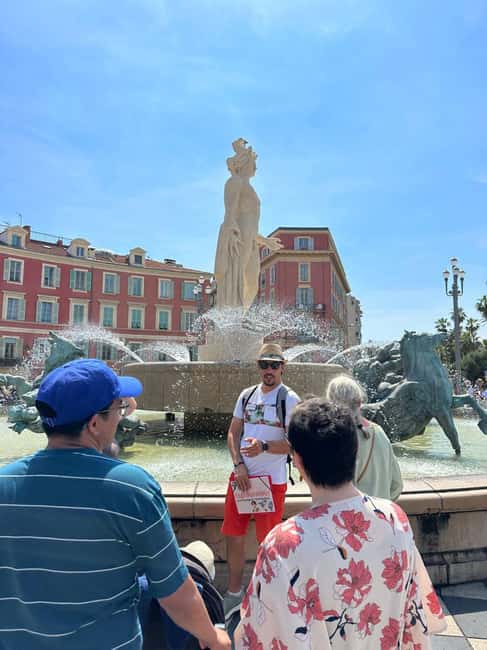
The best way to understand Nice is simply to walk it. You start at the Fontaine du Soleil by Place Masséna—easy to find, and a solid “reset point” after you’ve been dropped into a new city.
From the first stretch, you get the sense that Nice has been shaped by its geography. The city sits right on the coast, but its history is a tangle of different cultures and powers. The guide ties that together as you move—so you aren’t just looking at sights, you’re learning how Nice got here.
This is also the kind of tour where a guide matters. The names Gianni and John come up again and again in the kind of feedback this tour gets: professional, polite, and happy to answer questions. That makes a big difference when you want more than a checklist.
You can also read our reviews of more walking tours in Nice


Place Masséna to Neuf Lignes Obliques: a quick taste of what Nice is about
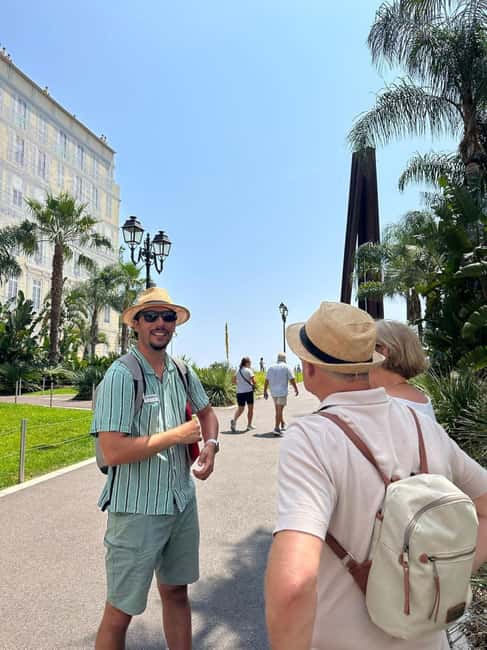
Before you hit the historic center, you begin with a city-scale introduction. You’ll pass Neuf Lignes Obliques, then transition toward some of Nice’s most recognizable civic buildings and streets.
What I like about this kind of start is how it gives you bearings fast. Place Masséna and the surrounding areas help you understand how Nice opens up from the center toward the sea and the hills. Even if you’ve only just arrived, you’ll leave with a better mental map.
One practical note: this tour keeps moving. You’ll want to be ready to walk at a steady pace for the full 2 hours.
Nice Opera House and Cours Saleya: architecture plus real-life Nice energy
Next up is the Nice Opera House. Even if you’re not a theater person, it’s useful context: this is where you see how Nice balances its Mediterranean identity with serious European-era culture.
Then comes Cours Saleya, a name that matters because this area sits at the heart of everyday Nice life. It’s the kind of place where the city’s look and feel—colors, street layout, and the way people move—helps you understand why Old Nice is so photogenic.
This stop also helps if you’re the type who likes to eat while sightseeing. Nice has a strong Mediterranean culinary culture with Provençal and Italian influence. Expect the guide to point you toward the kinds of flavors and dishes locals actually talk about, not just tourist clichés.
Sainte-Réparate Cathedral and Saint-Jacques-le-Majeur: why the churches feel different here
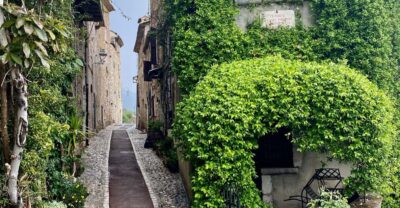
Nice’s historic center is famous for small-scale drama. You don’t get one giant museum complex—you get streets that keep turning a corner, churches that pop into view, and the feeling that every block has a story.
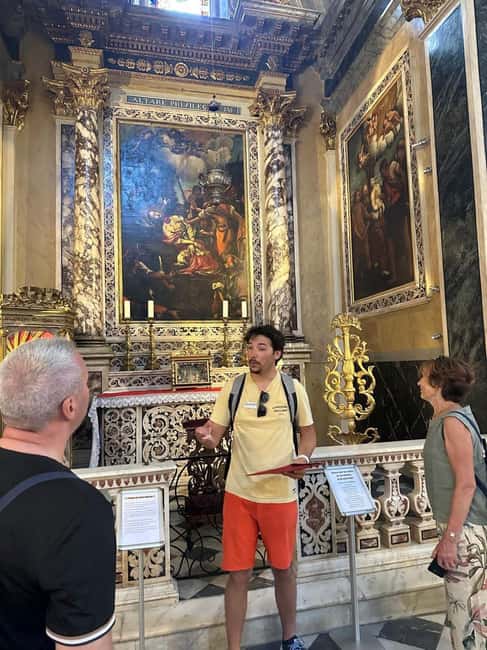
You’ll visit Cathédrale Sainte-Réparate and Église Saint-Jacques-le-Majeur de Nice. These short stops are exactly right for a 2-hour tour. You’re not stuck in long interiors. You’re getting the “why it matters” version: how these religious buildings fit into the city’s identity, and how Nice’s layers show up in architecture and tradition.
A small downside: with only about 10 minutes allocated per visit, you won’t get a slow, deep spiritual experience. This is a history-and-orientation tour, so treat the church stops like a guided spotlight, not a long self-paced visit.
Quai des États-Unis and Bellanda Tower: sea-front angles and classic photo stops
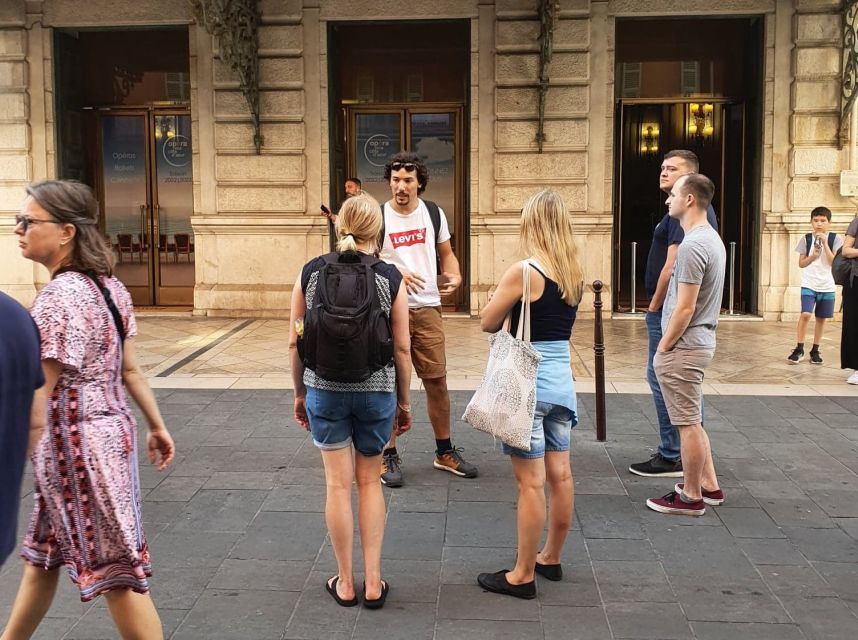
Once you head toward the waterfront, Nice snaps into a different mode. You’ll enjoy Quai des États-Unis for a photo stop, then move toward Bellanda Tower, also a photo stop.
Why I like these coastal moments: they give you context for what you’ll see later from Castle Hill. You’re training your eye to notice the bay shape and how the city rises up behind the promenade.
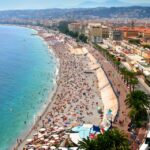
Nice also has that iconic sea-front “symbol power.” The tour highlights the Promenade des Anglais—often called the French Copacabana—so even if you don’t spend a ton of time there, you understand what you’re looking at when you do pass it later.
If you care about photos (and who doesn’t in Nice?), this section is built for that. You’ll get multiple stops where you can step aside, frame the view, and not feel rushed.
You can also read our reviews of more guided tours in Nice
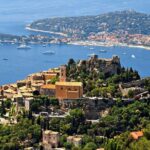
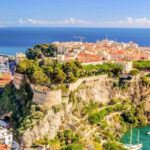

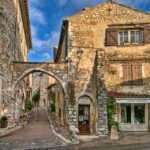

Colline du Château and Fouilles Archéologiques: the walking gets serious
Then the tour turns from city streets to “viewpoint territory.” You’ll reach Colline du Château, starting with a viewpoint of the Port and more photo time.
After that, you’ll spend time around Fouilles Archéologiques. This part matters because it reminds you that Nice isn’t just a pretty postcard. Beneath the modern streets are traces of earlier eras—Greek, then Gallo-Roman, and later a whole set of regional shifts that left marks on how the city developed.
This is also where the tour’s pace changes slightly. When the guide starts talking about the sea and the old layers at the same time, the place starts to make sense as a single story.
The 300 steps reality check
Here’s the key consideration. The tour includes a climb of about 300 steps to get up to Castle Hill.
The tour is listed as wheelchair accessible, but the step count is a big factor. If you use a mobility aid or need a gentler route, I strongly suggest you ask the operator how they handle the climb. Don’t wait until you’re already at the top of the stairs to find out.
For everyone else: bring walking shoes and plan to go slow on the ascent. This isn’t a race. It’s a “breathe, look back, and keep moving” climb.
The Castle Hill finish: panoramas over the bay of angels
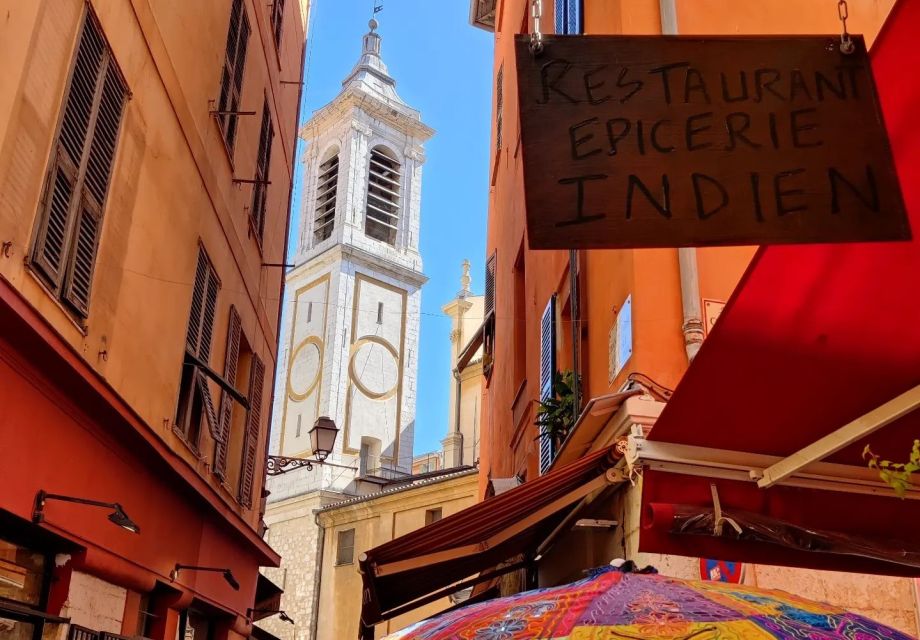
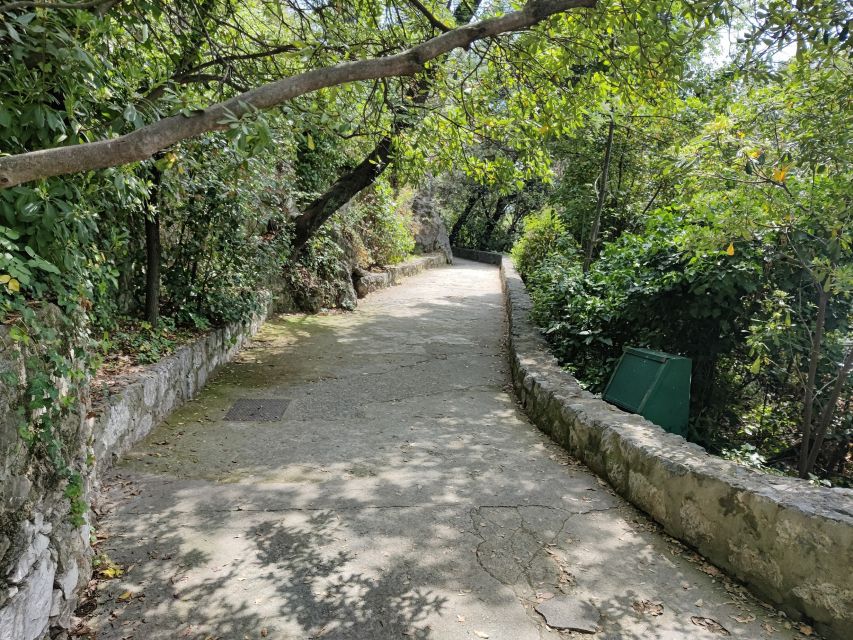
You end at Le Château, and the whole point is the view. Castle Hill is a garden-like park area above the city, with shady lanes and multiple points where you can look out over the sea and the surrounding terrain.
You’ll hit several viewpoint photo stops along the way, including a waterfall photo stop and additional lookout points. These breaks are timed well for a 2-hour experience: enough time to reset, but not so long that you feel like you’re waiting.
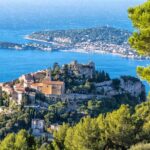
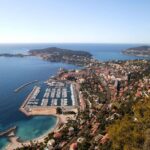
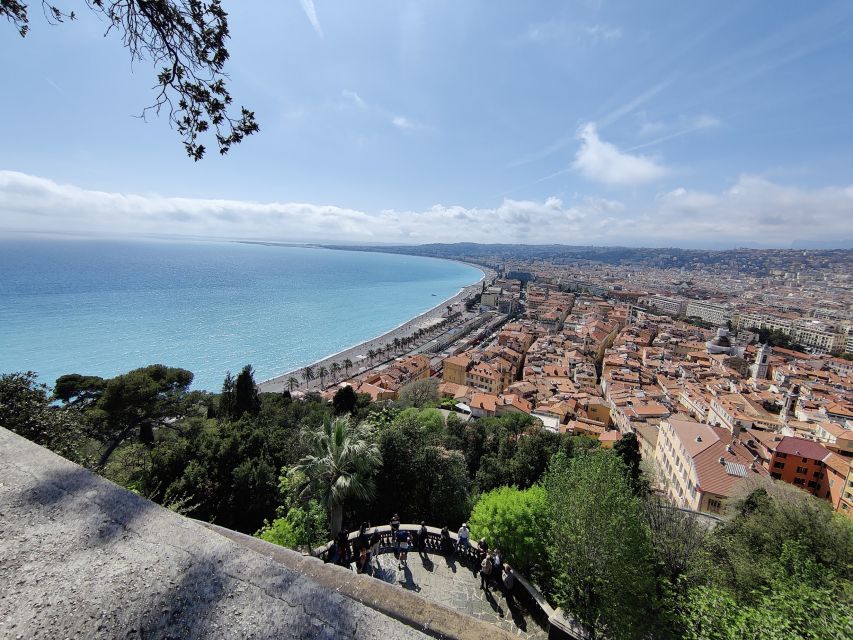
When you finally reach the end, you get the payoff: panoramas over the bay, the city grid, the nearby hills, and even toward the Prealps. From street level, Nice can look like a seaside strip. From here, you see how it actually sits—coast, slope, and mountains in one picture.
And that matters for your next moves. Once you understand the layout, planning the rest of your day gets easier. You know where the sea is, where the old center “turns,” and which direction makes sense for dinner.
Price and value: why $31 feels fair for a 2-hour orientation
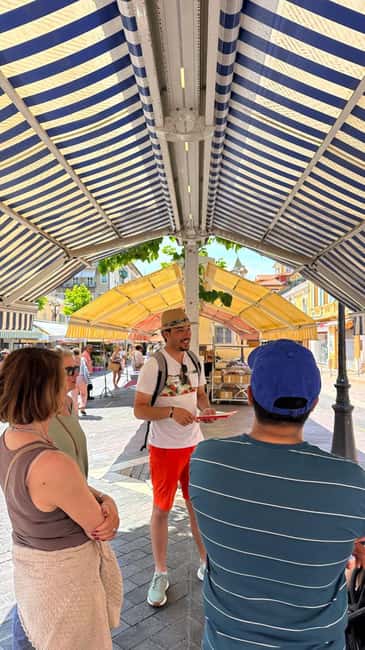
At $31 per person for a 2-hour guided walking tour, the value comes from two things.
First, you’re paying for interpretation, not just movement. A certified local guide turns monuments into context—history, geography, and why Nice has that very specific blend of influences. Second, the structure compresses a lot into a short time: Old Nice streets, major landmarks, archaeological context, and then Castle Hill views.
This is a smart buy if you have limited time and you want a grounded first pass through Nice. If you’re staying for several days, this tour still works because it gives you a map of what to revisit and what to skip.
One small “budget” note: the essentials aren’t included. You’ll want walking shoes, and ideally a water bottle plus sunscreen/hat/sunglasses. Nice weather can turn fast, and Castle Hill is open-air once you’re climbing.
Who should book this tour (and who might not)
This tour fits best if you want:
- A strong first-day orientation to Old Nice
- History + architecture without long museum time
- The classic Nice “sequence”: old streets, then sea views from above
- A guide who gives practical tips (people often call out recommendations for things like ice cream)
It might be less ideal if:
- You hate stairs or need a fully step-free experience
- You’re looking for a slow, sit-down pace or long indoor time in each stop
Should you book this Nice walking tour with a guide?
I’d book it if your goal is to understand Nice fast. It hits the highest-impact parts of the city in 2 hours, and the Castle Hill ending is exactly the kind of reward that makes a short tour feel complete.
If you’re sensitive to climbing, ask ahead about how the 300-step segment will be handled for your needs. Otherwise, bring sturdy shoes, a bottle of water if you can, and show up ready to walk. You’ll leave with a better mental map of Nice and a much more meaningful way of looking at the same streets later.
FAQ
How long is the tour?
The tour runs for 2 hours.
Where do we meet the guide?
You meet next to the Fontaine du Soleil on Massena Square, with the guide holding an Esplouratour sign.
What languages are the tours offered in?
The live tour guide speaks French and English.
Does the tour run in rain?
Yes. The tour takes place rain or shine.
Is there a lot of walking or stairs?
Yes. You’ll climb about 300 steps to reach the top of the Castle hill.
What’s included in the price?
The certified tour guide is included.
What should I bring since it’s not included?
Bring your own water bottle, sunscreen, hat, sunglasses, and walking shoes.