REVIEW · SCENIC TRAIN RIDES
Train Exp. through the Alps (Royal Baroque Route from Nice)
Book on Viator →Operated by Nice Creative Tours · Bookable on Viator
There’s something about a mountain train day. It turns Nice’s coast into medieval village drama fast, with the Baroque Route rail line carrying you through southern Alps valleys and back again, guided from start to finish. I like that the pacing is built for real sightseeing, not just sitting on a bus, and the day is led in English by guides such as Carmela or Cyril.
Two big wins stand out: you get an easy-to-follow, story-led visit to places like Saorge and its monastery, and you’re fed with an authentic local lunch instead of an airport-style sandwich stop. One consideration: this is not a flat stroll—expect uphill stairs and optional hikes, and off-season (or weather) can shift the exact villages you see.
In This Review
- Key things to know before you go
- Entering the Alps from Nice-Ville: meeting, the train ride, and why this route works
- Saorge: the medieval village stop with the best payoff for view seekers
- Monastère de Saorge: baroque calm, panoramic quiet, and why it feels different
- Tende and the Mercantour edge: castle ruins, Italian heritage, and lunch that doesn’t disappoint
- The hiking reality: what “moderate” means on this day and how to plan your energy
- Group size, guide personality, and the small things that make the day smoother
- Price and value: is $204.37 worth it for an all-day Alps experience?
- Weather, itinerary changes, and how to avoid disappointment
- Who this tour suits best (and who should think twice)
- Should you book this Alpine train day from Nice?
- FAQ
- What time do I need to meet in Nice?
- Does the tour ever leave later than 8:30am?
- How long is the tour?
- What languages are offered?
- What’s included in the price?
- Is the hike required?
- What villages are included?
- Is the tour dependent on good weather?
- How many people are in the group?
- What should I do about dietary needs?
Key things to know before you go
- Gare de Nice-Ville timing is strict: the group leaves at 8:30am; don’t treat it like a casual meet-and-greet.
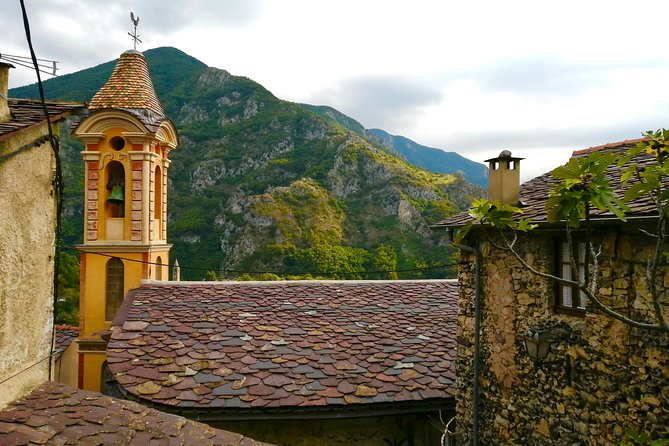
- The train route is the show: early 20th-century engineering plus tunnels, bridges, and canyons—on a scenic rail line using modern trains.
- Saorge + Monastery is a real upgrade: medieval views plus a baroque stop that feels more like a peaceful chapel garden than a checklist item.
- Tende brings the castle ruins: history and panoramic points, paired with a local lunch in town.
- Expect walking variation: you can do all the hikes, or you can opt out—just know some village options get quieter later in the day.
- Group size stays manageable: maximum 30 travelers, which helps for meeting up, photos, and actually hearing the guide.
Entering the Alps from Nice-Ville: meeting, the train ride, and why this route works
Your day starts in the heart of Nice at Gare de Nice-Ville. Meet at 7:55am at the main entrance area, by the Boulangerie Paul terrace (follow the building and look for the guide sign in blue with the tour name). The tour notes are clear: don’t be late, because the train does not wait.
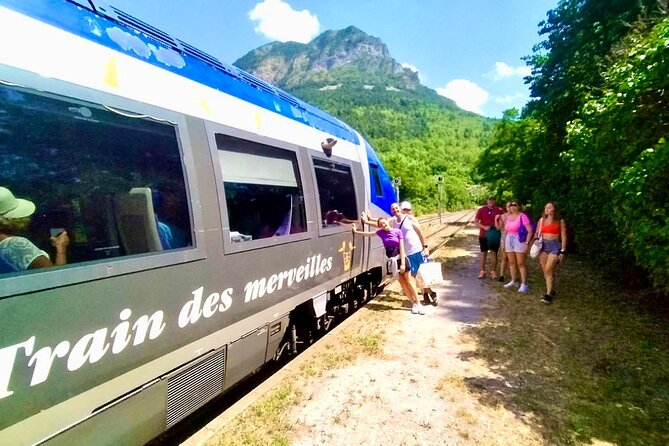
Here’s what makes this plan smart for your time and energy. You’re not trying to fight mountain roads or squeeze in multiple transit changes. Instead, you get a single main rail connection along the southern Alps valleys—between Nice and the Italian side of the region (including Piedmont)—with the guide keeping you oriented through the whole day.
Once aboard, you’ll ride through scenery that’s hard to replicate from a road viewpoint: valleys, bridges, tunnels, and canyon-like sections, plus the “what were they thinking” wonder of early 20th-century civil engineering. And because the trains are described as new, you’re not stuck on an old, cramped setup for the scenic part of the day.
Timing matters. The schedule includes an uphill section (about 1h15) and then a shuttle by spectacular roads to the villages, followed by a downhill return approach. That means you spend less time second-guessing transport and more time actually looking at the villages and the mountains.
You can also read our reviews of more tours and experiences in Nice.

Saorge: the medieval village stop with the best payoff for view seekers
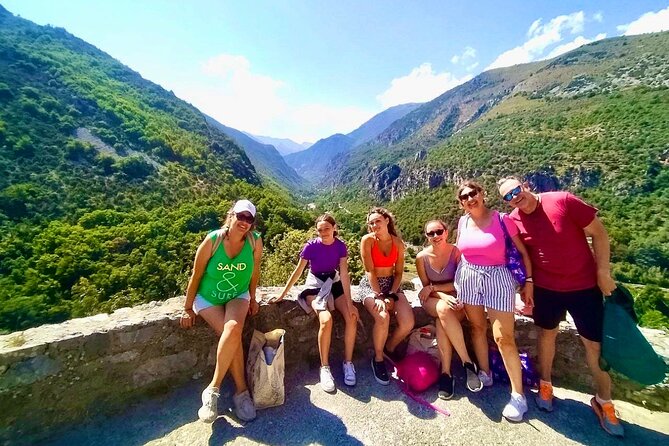
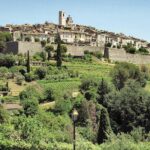
Saorge is one of those places that makes you slow down without trying. It’s classified as one of France’s most beautiful medieval villages, and it’s tied to border history—plus a castle that served as a stronghold linked to the Italian kingdom in the region.
What you’ll feel in Saorge isn’t just pretty architecture. It’s the sense that this village was built for defense, and that explains why the views stretch out over canyons and Alps slopes. The tour also highlights the cathedral as magnificent, which gives you something concrete to see besides streets and doorways.
The village offers a choice that helps you match the day to your fitness:
- You can enjoy the main village time and views without going far uphill.
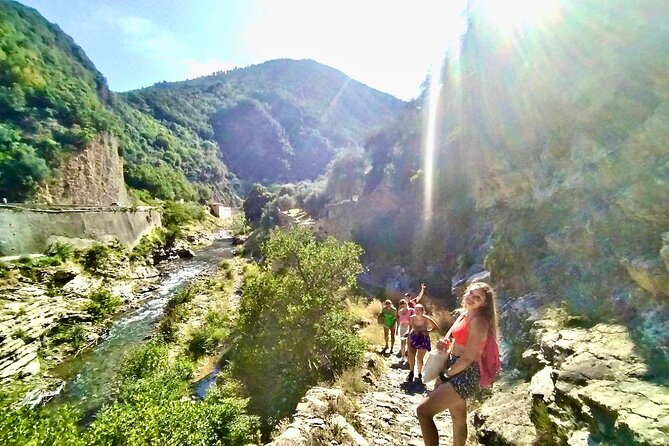
- Or you can add a hike up toward the monastery area. The guide notes mention an uphill option around 150 meters, described as quite sporty.
One practical tip: if you like photos, start your Saorge viewing early. That village sits in a way that makes it easy to lose time to panoramic corners, and you’ll want your energy for later stops.
Monastère de Saorge: baroque calm, panoramic quiet, and why it feels different
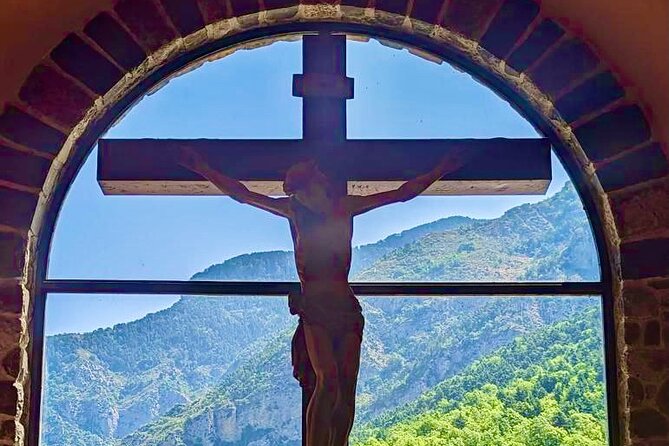
If Saorge is medieval street energy, the Monastère de Saorge is the emotional reset. The tour describes it as a unique baroque jewel in France, with a peaceful setting and panoramic views.
This isn’t a long “walk through and out” kind of monument. The visit includes time in and around:
- the courtyard
- rooms and spaces of the monastery
- the church
- and gardens that help the place feel lived-in rather than staged
The tour mentions admission included, with about 45 minutes for the stop. That’s enough time to absorb it without turning it into a race. If you’ve ever been disappointed by baroque sites that feel like empty halls, this one is framed as the opposite—more atmosphere, less museum fatigue.
Also, the monastery viewpoint is a nice contrast to the earlier village views. You get a higher-feeling perspective without needing to be a mountaineer.
Tende and the Mercantour edge: castle ruins, Italian heritage, and lunch that doesn’t disappoint
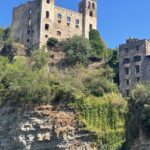
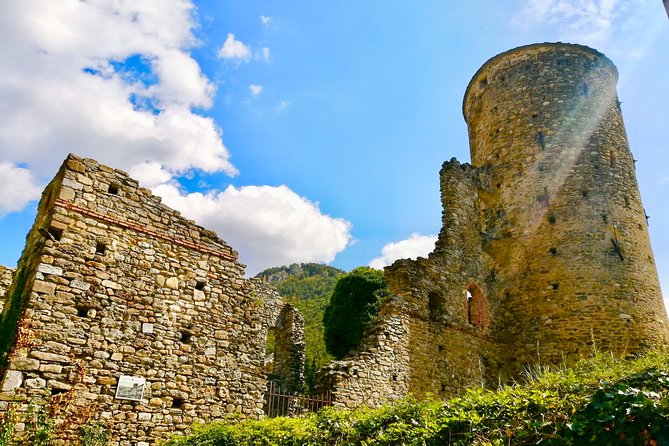
After Saorge and the monastery, the day shifts toward Tende, another impressive medieval village. This stop is tied to the region’s history, including Italian heritage, and it’s known for castle ruins and major monuments (the tour also calls out the cathedral).
Tende is where the Baroque Route story turns into something physical: the tour is explicit that good physical conditions help here because there are important uphill elements and stairs. The reward is the ruins and panoramic points—especially the kind of view where you understand why people built fortifications on high ground.
Then comes the part that makes mountain days feel human: lunch. Tende includes lunch in a typical local restaurant, presented as authentic. A few key notes from the tour description:
- You shouldn’t expect a gourmet detour—expect local food in a real setting.
- The lunch is part of the day’s structure, so you’re not scrambling for food later.
In addition, the tour places you near the entrance door of Mercantour National Park. Depending on the day and season, the itinerary can change, and there’s mention that you might spend time in nature or see other beautiful villages and chapels instead of Tende alone.
There’s also an optional-sounding detail that you might appreciate if you like weirdly specific history: a museum about Bronco Age engraving stones can come up depending on timing and season. That kind of stop is usually short, but it adds depth beyond the postcard.
The hiking reality: what “moderate” means on this day and how to plan your energy
This is where you should be honest with yourself before booking.
The tour is described as requiring moderate physical fitness, and the itinerary includes optional walks plus uphill climbs. The wording around hiking is consistent: if you want to see all the monuments and viewpoints, you’ll be working.
In practice, you’ll likely face:
- uphill sections and stair climbs (especially around Saorge’s monastery option and in Tende)
- downhill walking as part of the route timing
- and enough movement that comfortable shoes matter more than you think
The guide experience helps. Guides such as Carmela and Cyril are repeatedly described as organized and encouraging, and the tour format allows alternatives. That said, do not assume that skipping a hike means you’ll have a relaxed, effortless free period. Some stops are small and quiet, and off-season closures can limit shops or casual hangout options later in the day.
So here’s my practical way to decide:
- If you enjoy a strong uphill walk with good views, this tour fits.
- If you prefer mostly flat walking, consider whether the optional monastery climb and the Tende uphill effort will be comfortable for you.
- If you want to stay flexible, go with the mindset that the guide may shift time and village choices depending on weather and conditions.
And yes—this is a France-Alpes train day, not a snow-top glacier fantasy. The scenery you’ll see is about Alps valleys, medieval towns, and dramatic heights, not necessarily permanent snow.

Group size, guide personality, and the small things that make the day smoother
This tour runs with a maximum of 30 travelers, and that matters more than it sounds. In small groups, you can keep up with instructions, the guide can manage timing without chaos, and you’re less likely to get lost in crowded stations or village lanes.
It’s also in English (and the provider notes it may be multi-lingual). You’ll also get a text message the day before with final details like temperature and weather advice, plus clothing recommendations. If you want to sanity-check conditions yourself, the tour suggests searching meteo Tende for the day of travel.
One detail that made people smile in their feedback: guides can bring humor and local flair to the story. For example, Cyril has been noted as dressing up in a fun way during the day (a Mario-style costume was specifically mentioned). That doesn’t change the itinerary, but it tells you something important: your guide isn’t reading facts off a card. They’re making the places feel connected.
Also, the tour uses a mobile ticket. That’s one less thing to juggle during a long day of train timing and village transfers.
Price and value: is $204.37 worth it for an all-day Alps experience?
At $204.37 per person, you’re not paying for a quick photo stop. You’re paying for an all-day package that combines:
- round-trip rail on the scenic route
- guided storytelling and on-the-ground logistics
- monument admissions (including the monastery stop)
- a structured village plan
- and an authentic lunch in town
- plus the convenience of being handled by a local operator rather than DIY’ing trains, shuttles, and timing
That’s the main value equation here: you’re buying time and mental energy. You’re not spending your day trying to figure out which valley view pairs with which train connection. The day is designed so you can focus on the scenery and the medieval sites.
Where the value can feel less perfect is if you don’t like walking or if you’re expecting a “choose-your-own pace” day. This is activity-forward. If you’re the type who wants a long relaxed sit-down without stairs, you may find the day demands more movement than you planned.
But if you enjoy guided context—why a cathedral matters, why border history shaped fortresses, why certain viewpoints exist—then the price starts to feel very reasonable for what’s included.
Weather, itinerary changes, and how to avoid disappointment
The tour runs in all weather conditions except if it rains all day, so pack for wet or cool mountain conditions even if Nice starts sunny. The guide’s text the day before helps, but you should still plan your clothing like you’re visiting a cooler hillside, not a beach.
Itinerary shifts are part of reality on mountain days. The tour description itself notes that itinerary can change depending on season and chances to access nature or monuments. Some feedback also mentions changes if a village access point is closed. That’s not unique to this operator—it’s just how travel works when villages and local infrastructure are involved.
Your best defense against disappointment is mindset:
- Expect the day to be flexible.
- Choose your shoes and layers for comfort.
- If you care about a specific type of scenery, remember that this is Alps villages and rail valleys, not a guaranteed snow-peaks panorama.
Who this tour suits best (and who should think twice)
This is a strong fit if you want:
- a train-first Alps day from Nice
- medieval villages with real context
- a baroque monument stop that’s more quiet than touristy
- a lunch that feels local
- and a guided day where someone else handles transport coordination
It might not be your best choice if:
- you need mostly flat walking
- you’re sensitive to uphill stairs
- you want lots of shops and cafés available throughout the day (small villages can get quiet, especially off-season)
- your schedule is tight and long day timing is a problem (this runs roughly 10–12 hours)
Should you book this Alpine train day from Nice?
If you’re excited by scenic rail, medieval villages, and guided stories—with a willingness to do some uphill walking—this is an easy yes. The day blends the practicality of trains with the payoff of real towns like Saorge and Tende, plus a monastery visit that slows everything down in the best way.
If you’re on the fence, be honest about one thing: the hikes and stairs are not optional “extras.” They’re part of the design. For the right fitness level and curiosity, it’s a memorable way to see a slice of the French Alps that feels more lived-in than staged.
FAQ
What time do I need to meet in Nice?
Meet at 7:55am at Gare de Nice-Ville, at the front main entrance area by the Boulangerie Paul terrace, where the guide will be waiting with a blue sign.
Does the tour ever leave later than 8:30am?
The tour notes say there is only time departure at 8:30am from Gare de Nice-Ville at the Boulangerie Paul area, and they do not organize hotel pickup.
How long is the tour?
It runs about 10 to 12 hours.
What languages are offered?
The tour is offered in English, and it may be operated by a multi-lingual guide.
What’s included in the price?
You get round-trip train transit, a local lunch, and admission tickets for some sites (including the Monastery de Saorge). Other monument admissions are described as free, depending on the stop.
Is the hike required?
You should have moderate physical fitness. There are uphills and stairs, and optional walking time is part of the experience. The tour mentions you will walk about 9 miles (15 kilometers) total.
What villages are included?
The description names Saorge and Tende, plus the Monastère de Saorge visit. Depending on day and season, the plan can shift to other nearby villages or nature spots.
Is the tour dependent on good weather?
It operates in all weather conditions except if it rains all-day. The guide sends a text message the day before with weather and clothing advice.
How many people are in the group?
Maximum 30 travelers.
What should I do about dietary needs?
Advise any specific dietary requirements at the time of booking.