REVIEW · PERFUME WORKSHOPS & GRASSE TOURS
Molinard Discovery Perfume workshop in Nice
Book on Viator →Operated by Molinard Parfums GLB SAS · Bookable on Viator
Make scent, then wear your memory. At Maison Molinard in Nice, you’ll do a guided perfume workshop where you smell about forty essences and blend a 30 ml fragrance to take home. It’s a fast, hands-on way to learn how perfumery works without needing a chemistry degree.
I love that you leave with a real bottle (30 ml eau de parfum) plus a numbered diploma so you can reorder your mix later. I also like the pacing for a vacation stop: you get a clear lesson, then you get to make choices that actually reflect what you enjoy.
One thing to consider: the included mini museum is brief, so if you want long, deep company-history storytelling, this workshop may feel a bit short or basic. And the session can move quickly because you’re selecting from a lot of scents in a limited time.
In This Review
- Key points that matter before you go
- Entering the Molinard workshop: what happens in real time
- The one-stop itinerary: Molinard Parfums in Nice
- The mini museum: a short taste, not a full museum day
- Smelling forty essences: how the workshop teaches your nose
- Building your 30 ml fragrance: where your choices become the product
- The take-home payoff: 30 ml bottle plus reorder diploma
- Price and value: what $60.07 buys you (and what it doesn’t)
- Group size and timing: why it affects your attention
- Who should book this Molinard Discovery workshop
- Practical tips so your bottle turns out how you want
- Should you book the Molinard Discovery perfume workshop in Nice?
- FAQ
- What is included in the Molinard Discovery perfume workshop?
- How long does the workshop last?
- Is the workshop offered in English?
- Where is the meeting point?
- Do I get to reorder my perfume after the workshop?
- Are food and drinks included?
- How many people are in the group?
- What happens if I’m late?
- Is free cancellation available?
- Is it suitable for most travelers, and are service animals allowed?
Key points that matter before you go
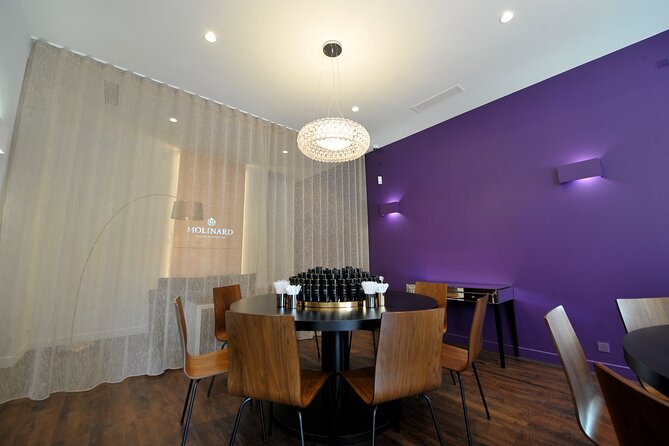
- 40 essences in one session: You’ll be smelling and comparing fast, so go with a flexible nose.
- 30 ml bottle you keep: You’re not just sampling. You’re leaving with your fragrance.
- Numbered diploma for reorders: Your blend isn’t lost after the class.
- Small-group feel: Sessions aim for an intimate group size (often up to 10), with a cap of 20.
- Arrive on time: The workshop can be cancelled if you’re late.
- English instruction: You’ll be guided through the process in English.
Entering the Molinard workshop: what happens in real time
The experience is built around one simple idea: you learn the basics quickly, then you make a scent you can live with. In about 45 minutes, a perfume expert guides you through the process of selecting notes, adjusting proportions, and creating a finished blend.
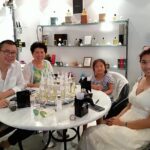
The atmosphere is part lesson, part sensory work. You’re guided to smell a range of essences and understand how different fragrance families tend to behave. You’ll also get hands-on time to put your choices together, rather than watching someone else do all the mixing.
If you’re hoping for a calm, unhurried spa vibe, this isn’t that. It’s more like a well-run craft class with a tight schedule and lots of sniffing.
You can also read our reviews of more tours and experiences in Nice

The one-stop itinerary: Molinard Parfums in Nice
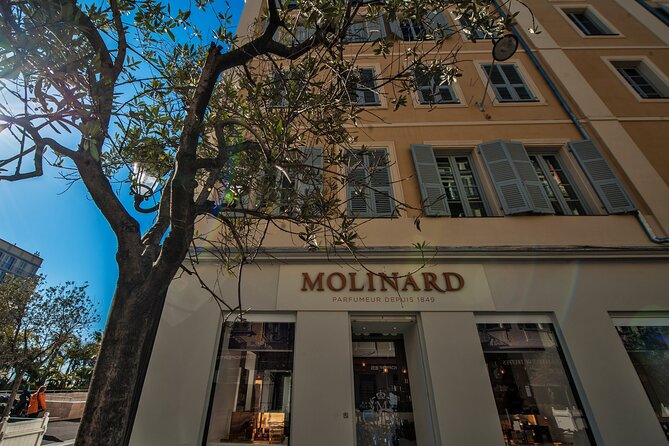
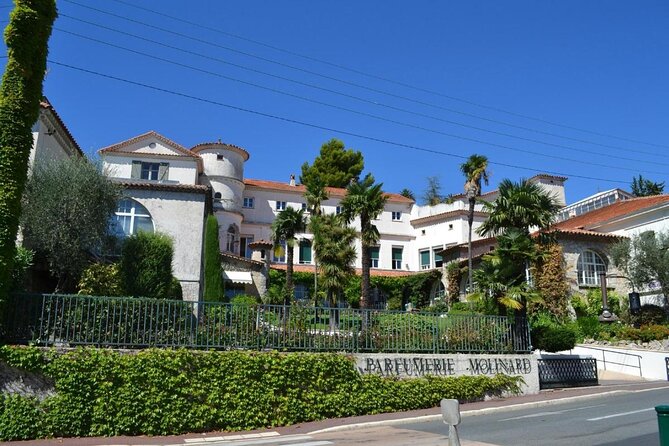
This is a single-stop workshop at Molinard Parfums, so you’re not juggling transfers or hopping between multiple sites. That simplicity is part of the value, because you can slot it into almost any day in Nice.
Here’s how your visit tends to unfold once you’re at the shop:
- You start with an introduction and the basics of how perfume is put together.
- You get access to a mini museum component that gives you a bit of context.
- Then you move into the core activity: smelling around forty essences and building your own fragrance.
- Finally, you finish by creating and filling your 30 ml bottle and receiving your reorder paperwork.
One practical note: arrive on time. The experience is strict about timing, and any delay can mean your workshop is cancelled.
The mini museum: a short taste, not a full museum day
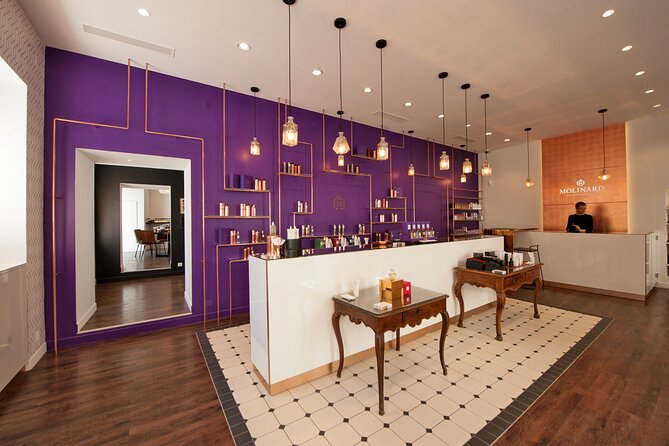
An included mini museum comes with the workshop. It’s free, and it gives you a quick sense of the brand world before you start mixing scents.
The catch is size. The museum time is intentionally brief, and some people feel it’s too small if they expected a longer story about Molinard or perfumery traditions. At the same time, others liked having at least a little history alongside the hands-on making.
My advice: treat the mini museum as the warm-up, not the main event. The main event is your bottle.
Smelling forty essences: how the workshop teaches your nose
The best part of this class is that you’re not just choosing one scent. You’re learning how different smells work together, and then you’re creating a mix that matches your preferences.
In the guided portion, you’ll be introduced to a wide range of essences and how perfumers think in layers. The goal is to help you understand proportions and how your selected notes translate into a final fragrance.
This part moves quickly because the workshop has limited time. You’ll be smelling many options back-to-back, so you’ll get better results if you:
- take quick mental notes on what feels pleasant versus just interesting,
- trust your first impressions more than second-guessing every scent,
- and expect that some essences will feel a bit sharp on their own before they settle in a blend.
Also, don’t be surprised if you get a more structured approach than you expected. A few people noted that they didn’t get the same kind of deep dive into sourcing or oil-by-oil storytelling, and that the class can feel basic if you’re comparing it to longer perfume courses. If you want only theory, you might find that this workshop is more practical than academic.
Building your 30 ml fragrance: where your choices become the product
Once you’re done smelling, you shift from sampling to creating. The core of the experience is assembling a scent using your chosen notes and proportions, guided step-by-step by the instructor.
In at least some sessions, instructors such as Ms. Lea are singled out for their helpful, friendly support. You can get help adjusting what you like so the final mix feels balanced rather than random.
You’ll also get to make it personal. Instead of following one preset fragrance that everyone leaves with, you’re crafting your own blend from the options available in the workshop.
A subtle but important point: because you’re choosing among many scents quickly, you’ll get more enjoyment if you decide what you want your perfume to do. Do you want it to feel clean and light, warm and cozy, or more bold and dramatic? If you keep that goal in mind, the class feels simpler and more satisfying.
The take-home payoff: 30 ml bottle plus reorder diploma
This is where the workshop earns its keep. You get a 30 ml bottle of eau de perfume to take with you, not just a vial of something tiny.
You also receive a numbered diploma that lets you reorder your specific creation later. That matters more than it sounds. Perfume blends are easy to forget if you don’t have a reference, but the numbering gives you a way to recreate your own choices at home without starting from scratch.
If you like souvenirs that actually get used, this is a good one. Many Nice stays end with magnets and tote bags. This ends with something you’ll wear.
Price and value: what $60.07 buys you (and what it doesn’t)
At $60.07 per person, you’re paying for:
- guided instruction in English,
- a curated menu of essences to smell,
- the time needed to blend,
- and a 30 ml bottle plus the reorder paperwork.
What you’re not paying for is a long museum visit, food, or a multi-hour deep course. The workshop is intentionally short, so the value depends on what you want from a perfume experience.
If you want a quick, practical class with a tangible result, the price can feel fair—especially because you leave with a bottle you’ll likely use. If you expected a bigger historical presentation or more time for custom tweaking, some people can feel the class is pricey for the length.
My take: think of this as a craft workshop with a souvenir-quality outcome. If that matches your goal, you’ll likely feel satisfied.
Group size and timing: why it affects your attention
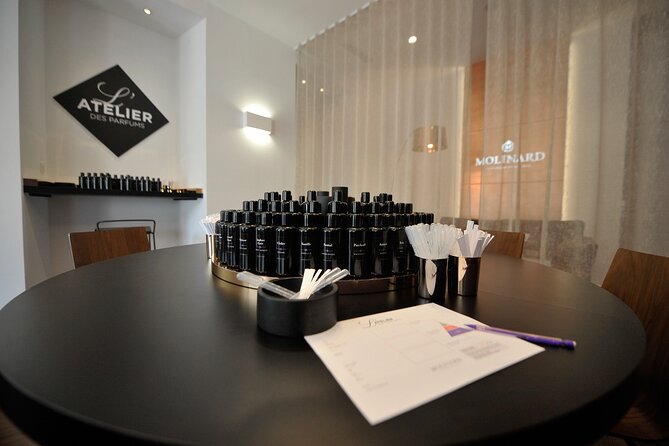
The experience is designed as small-group. The details you have can vary a bit by session, but the intent is a small feel—often capped around 10—with an overall max that can be 20.
In a class where you’re blending and smelling lots of options, group size matters. Smaller groups tend to mean more help when you’re trying to adjust your blend. Larger groups can still work, but your instructor might split time between groups.
Also remember the format is time-boxed. The workshop is listed as about 45 minutes, and you may find it runs tight, especially during busy moments. Plan your day so you’re not rushing afterward.
Who should book this Molinard Discovery workshop
I think it’s a strong fit if you:
- want a hands-on activity in Nice that isn’t dependent on weather,
- like the idea of making a souvenir you’ll actually wear,
- are curious about how perfumery is structured (notes, proportions, blending),
- and prefer something short enough to do between sightseeing stops.
It can also work well for mixed ages. Some families and younger participants have had a good time with the guided, step-by-step format.
Where it may not be ideal is if you’re expecting a long lecture-style history of the brand or perfumery. The included mini museum is brief, and the workshop’s main goal is your blend, not a full classroom immersion.
Practical tips so your bottle turns out how you want
Here are a few moves that help you get the best results in a class like this:
- Go in with a scent mood. Decide ahead of time if you want fresh, floral, warm, or woody. Then your choices feel easier.
- Take breaks for your nose. Smelling a lot quickly can fatigue you. If your nose feels overloaded, slow down and refocus.
- Ask for proportion help early. If something feels off, addressing it sooner helps you adjust before everything locks in.
- Treat the mini museum as context, not content. If you want lots of history, plan a separate museum or longer reading time elsewhere in Nice.
- Plan your schedule around being on time. Late arrivals can lead to cancellation, so give yourself a little buffer.
Should you book the Molinard Discovery perfume workshop in Nice?
If you want a short, fun, sensory activity that ends with a 30 ml bottle and a chance to create something genuinely personal, I’d book it. It’s one of those experiences that gives you a lasting reminder of Nice without needing to carry around more stuff.
Skip it if your main goal is deep, long-form history or if you hate structured time limits. This is a practical workshop first, and the mini museum is the appetizer.
If you’re on the fence, think about one question: would you enjoy spending 45 minutes comparing smells and making choices that become your own signature scent? If yes, this is a solid use of an afternoon in Nice.
FAQ
What is included in the Molinard Discovery perfume workshop?
You get a mini museum free, a 30 ml bottle of Eau de Perfume to take home, and a numbered diploma to reorder your creation in the future.
How long does the workshop last?
It runs about 45 minutes.
Is the workshop offered in English?
Yes, it is offered in English.
Where is the meeting point?
The start is at 20 Rue Saint-François de Paule, 06300 Nice, France.
Do I get to reorder my perfume after the workshop?
Yes. You receive a numbered diploma that you can use to reorder your creation.
Are food and drinks included?
No. Food and drinks are not included.
How many people are in the group?
It has a maximum of 20 travelers, and the experience is described as limited for a small-group feel (often up to 10).
What happens if I’m late?
You should arrive on time. Any delay may result in the cancellation of your workshop.
Is free cancellation available?
Yes, free cancellation is available up to 24 hours in advance for a full refund.
Is it suitable for most travelers, and are service animals allowed?
Most travelers can participate, and service animals are allowed.