REVIEW · BEAULIEU SUR MER
Villa Kerylos Entry Ticket
Book on GetYourGuide →Operated by GetYourGuide Tours & Tickets GmbH · Bookable on GetYourGuide
A Greek villa built for Riviera light. Villa Kérylos turns Greek antiquity into a reinvention you can walk through, with rooms and details designed and produced over six years. I love that the experience isn’t just about seeing pretty rooms; it’s about how the whole place was made from the ground up, down to practical items like utensils and even door hardware.
Inside, I really appreciate the idea of hidden technology: electrical outlets and switches are concealed but still accessible, and there’s a clever heating system inspired by antiquity (hot-air ducts powered by oil boilers, with no radiators). One practical consideration: there’s no luggage storage, so keep your daypack light and plan around the fact that you can’t stash bags on site.
In This Review
- Key things that make Villa Kérylos worth your time
- Villa Kérylos: Greek antiquity on the French Riviera
- What you’ll see inside the villa (and how to plan your route)
- 1) The rooms as a full design language
- 2) The “ancient feel” that still behaves like a modern building
- 3) An audio guide helps you connect the dots
- The 1902–1908 build: why “six years of making everything” matters
- Gardens, steps, and the view problem you should expect
- If there’s an exhibition, how to use it without rushing
- Ticket price and value: is $15 a fair deal?
- Practical visit tips: rules you’ll actually notice on arrival
- Who should book this entry ticket?
- Should you book Villa Kérylos entry?
- FAQ
- How much does the Villa Kérylos entry ticket cost?
- How long is the ticket valid?
- What’s included with the experience?
- Are strollers or pets allowed?
- Is there luggage storage on site?
- Are there free-entrance options?
Key things that make Villa Kérylos worth your time
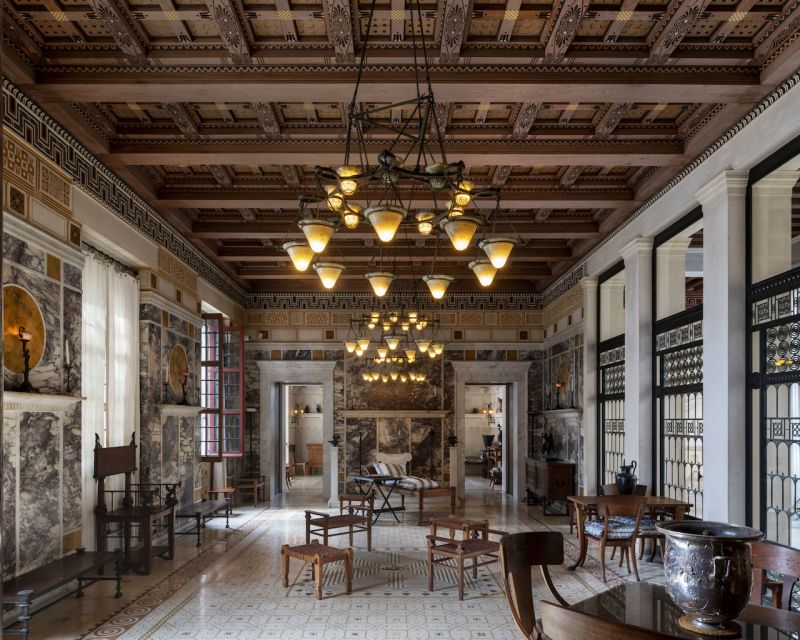
- A rare Greek-inspired “total work”: architecture, interiors, and even everyday objects were designed together
- Built with a purpose: the monument was created from 1902 to 1908, following a long research phase
- Hidden comfort, ancient feel: modern electricity and heating are worked into the design without taking over the look
- A thought-through visitor route: rest seats along the way, plus garden steps to manage
- Optional exhibitions fit the setting: when an exhibition is on (like The Gold of Time), it pairs naturally with what you’re seeing
- Details matter more than big crowds: this is a slower, more “look closely” stop than a quick photo pull-off
Villa Kérylos: Greek antiquity on the French Riviera
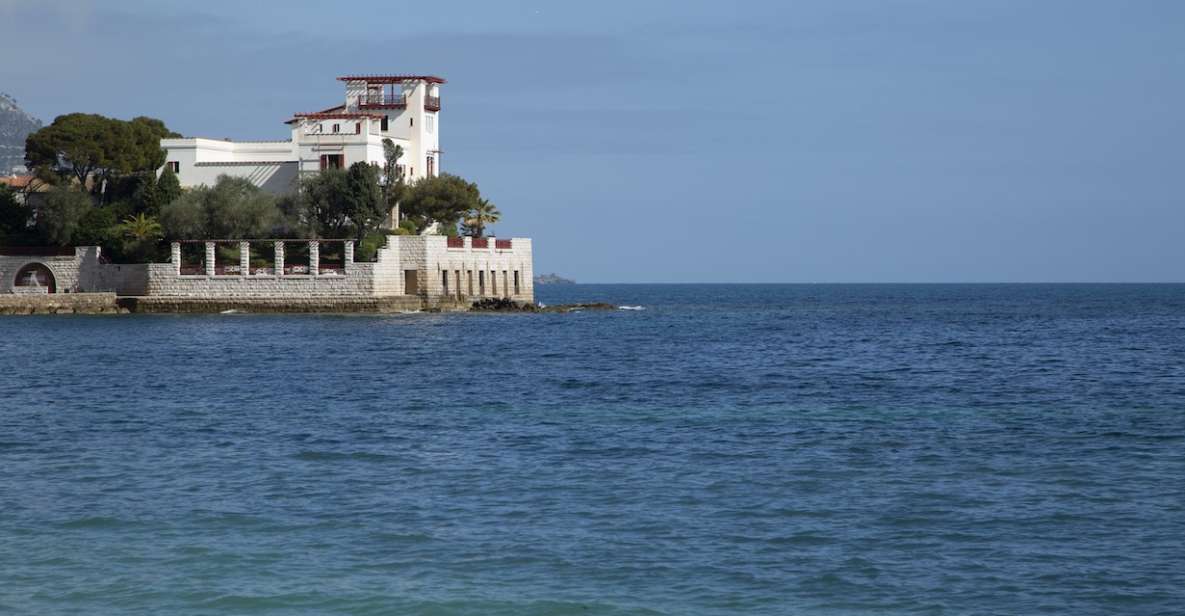
Villa Kérylos sits in Beaulieu-sur-Mer, on the Mediterranean between Nice and Monaco, where you’d expect elegant Riviera villas. Instead, you get something stranger and far more interesting: a Greek-inspired monument created in the early 1900s. The name Kérylos points to a Greek myth tied to Alcyon, a mythical bird whose nesting time falls in the heart of winter and was said to bring a happy omen. In other words, the villa’s identity isn’t only architectural—it’s storytelling too.
What makes Villa Kérylos special is the way it treats design as a whole system. This isn’t a “Greek-themed museum corner.” The villa was conceived as a total work, meaning the architecture and the interiors were planned as one unified project. The driving force was archaeologist Théodore Reinach, who worked with architect Emmanuel Pontremoli. They met in the orbit of the Salon of 1900, and Pontremoli’s research was linked to classical study (including Pergamon). The result is a building that feels like it has a point of view: ancient Mediterranean culture, imagined through 20th-century scholarship and craftsmanship.
A big takeaway for your visit: you’re not just touring a monument. You’re stepping into a carefully built argument about what ancient luxury might have felt like—filtered through early 1900s knowledge and artistic skill.
You can also read our reviews of more tours and experiences in Beaulieu Sur Mer.



What you’ll see inside the villa (and how to plan your route)
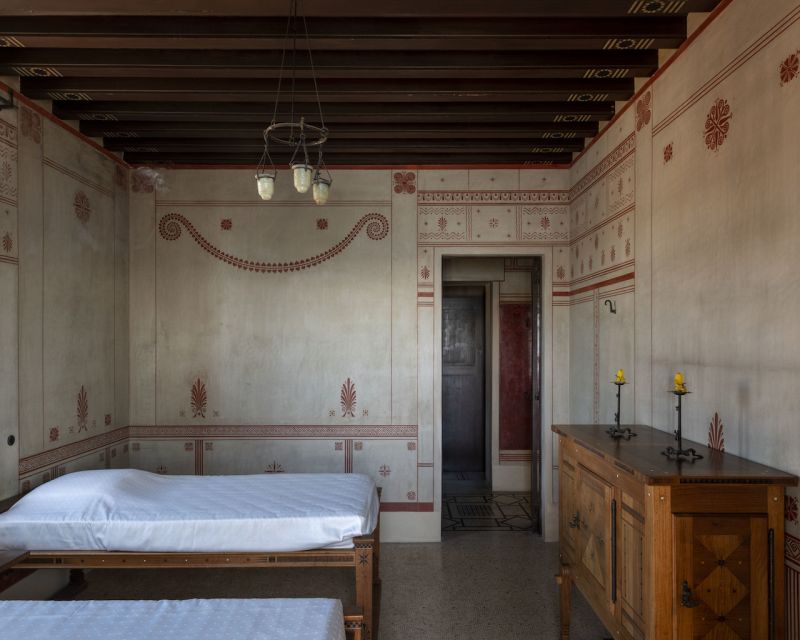
With this experience you’re buying an entrance ticket, so the value is all about what you choose to focus on once you’re inside. Plan to spend enough time to slow down. Villa Kérylos rewards close looking, especially if you’re the type who checks details like floor patterns, doorways, and the way rooms connect.
Here’s the best way to think about the “inside” experience:
1) The rooms as a full design language
From floor to ceiling, the villa’s elements were designed and produced as part of one project. That means you won’t just see walls and columns; you’ll notice how everyday items belong to the same design system. Even crockery and cutlery were made for the villa, which is rare for a site you pay to enter.
When you walk through, keep an eye on how the villa blends decorative Greek inspiration with practical, modern needs (from the materials to the way openings and circulation work). The effect can feel like you’re walking through a study model that someone decided to build for real life.
2) The “ancient feel” that still behaves like a modern building
One of the most fascinating aspects is how the villa includes early-20th-century comfort while keeping it visually quiet. Electrical outlets and switches are concealed, and yet they’re still accessible if you need them. Heating is handled through ducts that diffuse hot air, powered by oil boilers. You won’t find radiators; instead, the design aims to keep the ancient look intact while still making the villa usable.
If you’re the sort of visitor who likes how things work as much as how they look, this is a highlight. It turns architecture into engineering you can actually notice.
3) An audio guide helps you connect the dots
The explanations via audio guide are a clear advantage. If you have any interest in how this villa was created or why certain choices were made, use the audio guide early rather than treating it like a backup plan. I’d rather start with context and then re-enter each room with that context in mind.
A practical pacing tip: spend longer in the rooms that feel “designed,” not just “decorated.” This place is built to be a coherent whole, so you’ll get more from reading it room by room.





The 1902–1908 build: why “six years of making everything” matters
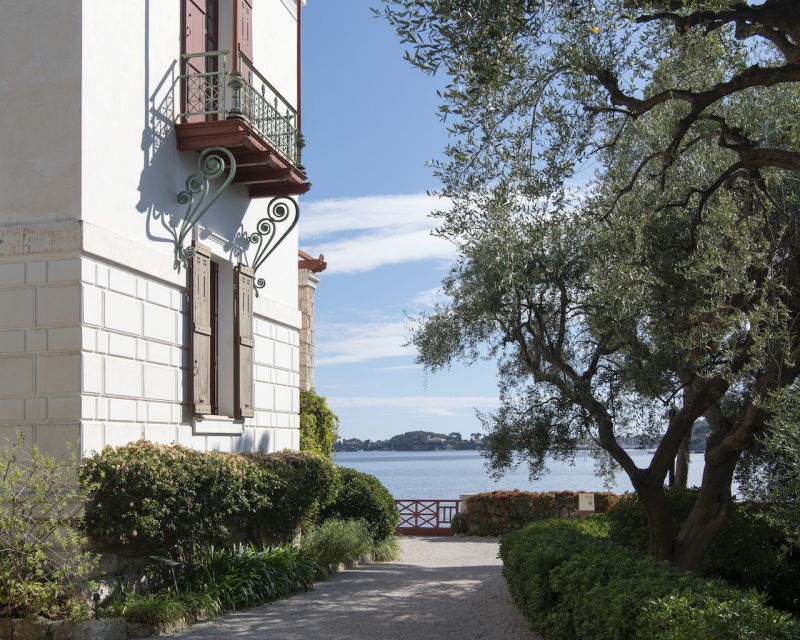
It’s easy to hear that the villa was built between 1902 and 1908 and think, ok, that’s the era. But the deeper detail is that many aspects weren’t simply sourced—they were designed, produced, and fitted as part of the project.
The villa’s scope is almost comically thorough: furniture, textiles, doors, window handles, electrical outlets, and more. Nothing is treated as an afterthought. The design effort took around six years to create the interior world and the full set of objects that make the villa feel lived-in rather than staged.
For you, that matters because it changes what kind of “museum” this is. Many historic sites show you what survived. Villa Kérylos shows you what was made—on purpose—and how a specific group of thinkers and craftsmen wanted to recreate an ancient Mediterranean sense of luxury.
So the best way to experience it is with a mindset shift:
- Don’t just ask what looks Greek-inspired.
- Ask what choices make it feel like a coherent home.
- Notice how practical objects are given the same visual seriousness as architecture.
Gardens, steps, and the view problem you should expect
Outside, the villa connects to the sea setting that makes the French Riviera famous. Villa Kérylos is on the shoreline area between Nice and Monaco, and the building is positioned for that relationship with the Mediterranean.
You should also be ready for an “outdoor logistics reality check.” The property’s exteriors are covered with gravel, so comfortable walking shoes matter. Also, the garden access includes steps (including a staircase to the garden), so it’s not purely flat wandering.
One extra heads-up from lived experience: some visitors find that certain higher areas—like a balcony area meant for views—may not be reachable in practice. If your plan includes a specific viewpoint for photos, treat the balcony as uncertain and don’t build your whole day around one angle.
Instead, focus on the view experience you can get from the main visitor areas and how the villa’s architecture frames the light and sea. This place often reads best from the building’s own sightlines, not from one ultimate “lookout moment.”
If there’s an exhibition, how to use it without rushing
Villa Kérylos can include exhibitions that work with the setting rather than fighting it. One example is The Gold of Time, featuring works by Gabriel Léger created specifically for Villa Kérylos. When an exhibition like this is on, it can add a second layer to your visit: you’re not only seeing an imagined ancient home, you’re also seeing how contemporary artists responded to that idea.
How to avoid wasting time: keep the exhibition in the middle of your visit, not at the end. That way, you can return to the rooms with fresh eyes. If you’re ready to leave right after, you might miss how well the art interacts with the villa’s colors, materials, and mood.
Ticket price and value: is $15 a fair deal?
The entry ticket is listed at $15 per person for a 1-day visit. On the Riviera, that’s not an outlandish price, but it’s also not “any five-minute stop is fine.”
Here’s how I’d judge value:
- If you care about architecture + interior design + craft, you’ll likely feel like the ticket is doing real work. The villa’s detail level is the selling point, and it’s hard to get the same intensity elsewhere.
- If you only want a quick photo and a casual stroll, the price might feel heavy. Villa Kérylos is not built for speed. It’s built for looking.
Also, because the ticket is valid for one day from first activation, you have flexibility to take your time and not feel trapped into a rushed schedule. Just remember there’s no luggage storage, so you’ll want to travel light.
Practical visit tips: rules you’ll actually notice on arrival
This is a place where small practical rules affect your comfort.
- No strollers and no pets are allowed. If you’re traveling with kids, plan for walking time and keep hands free.
- Food isn’t allowed, and you’re expected not to touch plants.
- There’s no luggage storage, so don’t arrive with an oversized bag you can’t carry.
- The last entry is 30 minutes before closing, so build in time to get your bearings and not sprint through the villa at the end.
Hours can vary, and the villa is closed on specific dates (Jan 1, May 1, Nov 11, and Dec 25). There are also free-entrance windows, including the first Sunday of certain months and during European Heritage Days (the 3rd weekend of September). You also may qualify for free entrance if you’re under 18, or if you’re an EU citizen under 26, with photo ID shown at the ticketing station first.
If you want the simplest plan: arrive earlier in your visiting window, start with the audio guide, and keep an eye on the clock so you don’t get cut off at last entry.
Who should book this entry ticket?
Villa Kérylos is best for you if you enjoy:
- Greek-inspired design and want to see it treated seriously, not just as decoration
- architecture that hides modern comfort instead of advertising it
- museums that feel calm and detailed rather than crowd-driven
- visitors who like to read spaces like a puzzle
It’s less ideal if you need fully flat access everywhere. Exteriors are gravel, and there are steps involved for garden access and for parts of the interior route that include a staircase. The tour route does include rest seats, but you’ll still want to think about comfort and energy.
If you’re combining this with other Riviera sightseeing, it works well as a contrast stop. Pair it with a coastal walk or an art-filled afternoon, not with back-to-back outdoor-only plans.
Should you book Villa Kérylos entry?
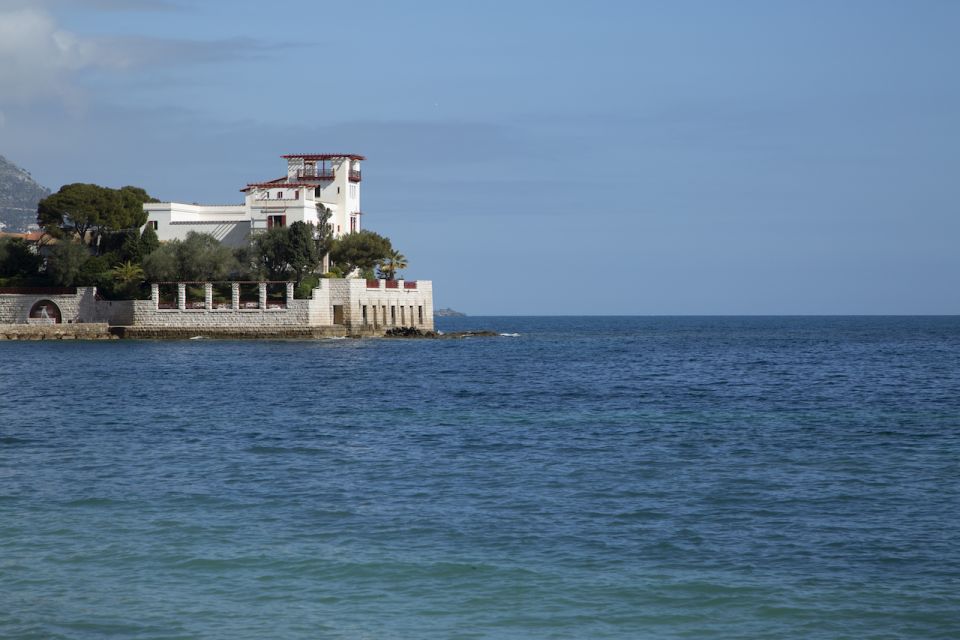
I’d book it if you want a rare kind of stop: a French monument where Greek antiquity is reimagined through early 20th-century research and craft, with tons of designed detail you can’t really speed through.
Skip or reconsider if your goal is mostly a quick view or a casual stroll. Villa Kérylos works best when you’re willing to slow down and look at how the place was made—especially the way the hidden “modern” parts support the ancient illusion.
If you’re even slightly into design, engineering details, or classical-inspired interiors, this $15 ticket is one of the more thoughtful values on the Riviera, because the experience is about the whole built environment, not just one photo moment.
FAQ
How much does the Villa Kérylos entry ticket cost?
The Villa Kérylos entry ticket is listed at $15 per person.
How long is the ticket valid?
The ticket is valid for 1 day, starting from the first activation.
What’s included with the experience?
The experience includes the entrance ticket to Villa Kérylos.
Are strollers or pets allowed?
No. Baby strollers and pets are not allowed.
Is there luggage storage on site?
No. There is no luggage storage available.
Are there free-entrance options?
Yes. Free entrance is offered for the first Sunday of January, February, March, November, and December, and during European Heritage Days (the 3rd weekend of September). Free entrance is also available for visitors under 18 years old, or EU citizens under 26, with photo ID shown at the ticketing station first.